The Future is Now: How AI is Revolutionizing Creative Industries
Explore the transformative impact of Artificial Intelligence on art, music, and writing. This article delves into the tools and ethical considerations shaping the future of human creativity.
 harun1107
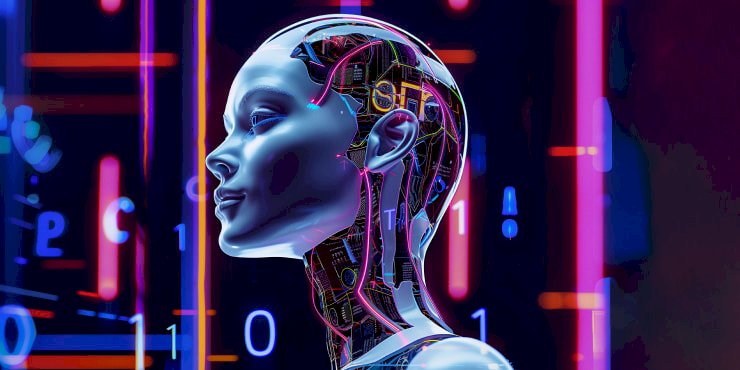
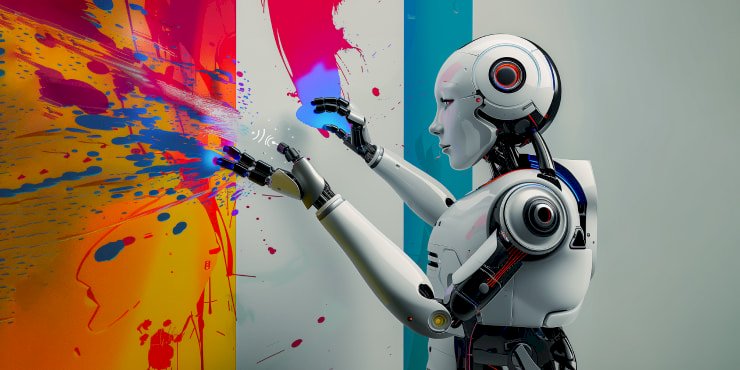
The Future is Now: How AI is Revolutionizing Creative Industries
For decades, the creative process was seen as an exclusively human domain, a sanctuary of intuition, emotion, and subjective experience. But a new collaborator has entered the studio, one that is fundamentally reshaping the landscape of art, music, and writing: Artificial Intelligence.
From generating breathtaking visuals from a simple text prompt to composing original symphonies, AI is not just a tool; it's becoming a co-creator, pushing the boundaries of what we thought was possible.
The AI Painter's Palette
In the world of visual arts, tools like Midjourney, DALL-E, and Stable Diffusion have democratized creation. Artists can now iterate on concepts at an unprecedented speed, typing in descriptive phrases like "a cyberpunk samurai in a neon-lit rainstorm" and receiving multiple high-quality renderings in seconds. This is not about replacing the artist but augmenting their vision, allowing them to explore styles and compositions they might never have attempted manually.
Composing with Code
The music industry is also experiencing a wave of AI-driven innovation. AI algorithms can now analyze vast datasets of music to generate original melodies, harmonies, and even full arrangements. Companies are developing AI that can master tracks to professional standards, and apps allow users to create music simply by humming a tune. These tools are empowering a new generation of musicians and producers, lowering the technical barriers to entry and fostering new genres of sound.
The Writer's New Assistant
For writers, AI language models are becoming sophisticated research and drafting partners. They can help overcome writer's block by generating plot ideas, character dialogues, or even entire article drafts. They assist with editing for grammar, style, and tone, and can summarize complex research papers in seconds. While the human touch for narrative depth and emotional resonance remains irreplaceable, AI is handling the heavy lifting, freeing up writers to focus on the core of their craft.
The Ethical Canvas
This revolution is not without its controversies. Critical questions about copyright, originality, and the very definition of "art" are at the forefront. Who owns an image created by an AI? Does it devalue human effort? As we navigate this new terrain, it's clear that the conversation must evolve alongside the technology.
Conclusion: A Collaborative Future
The rise of AI in creative fields is not a story of human versus machine. It is a story of partnership. By embracing AI as a powerful collaborator, we can unlock new forms of expression, enhance our own innate creativity, and embark on a thrilling new chapter in the human story. The future of creativity is here, and it is intelligent, augmented, and full of limitless potential.